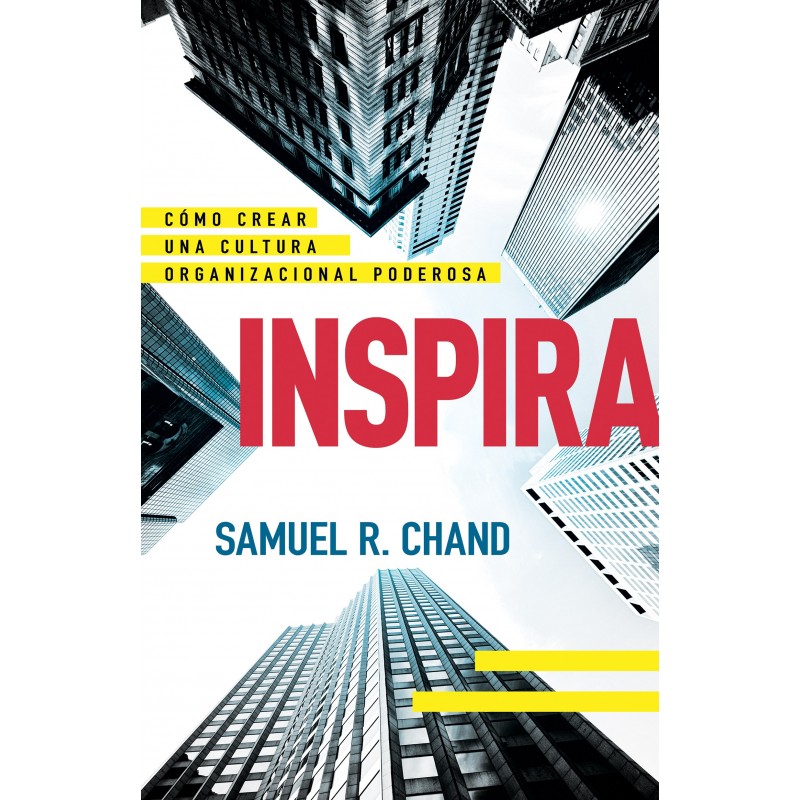


Con frecuencia, los leres organizacionales confunden la cultura con la visi y la estrategia, pero son muy diferentes. La visi y la estrategia usualmente se enfocan en productos, servicios y resultados, pero la cultura es sobre las personas, el activo m valioso de la organizaci. Inspira, Co crear una cultura organizacional poderosa lleva a descubrir los dicits en una culta organizacional e incluye los pasos necesarios para evaluar, corregir y cambiar la cultura organizacional deslucida a una vibrante e inspiracional, para que verdaderamente llene las necesidades de la organizaci. El prominente consultor de liderazgo Sam Chand describe las cinco categors filmente identificables de la cultura organizacional (Inspiradora, Aceptadora, Estancada, Desalentadora y Tica), e incluye modos diagnticos que los leres pueden usar para la identificar las fortalezas particulares y las necesidades de su cultura organizacional. Para ayudar en este proceso, tambi, hay una herramienta de evaluaci separada, gratuita, en lea (www.samchandculturesurvey.com). Cuando la cultura de la organizaci estclaramente identificada, los leres pueden establecer una estrategia para aplicar las siete claves de la Cultura (control, Entendimiento, Liderazgo, Confianza, Sin temor, Responsiva y Ejecuci) que harde su cultura una que estimule a las personas a ser y hacer lo mejor, y finalmente alcanzar sus metas m altas.
"Culture—not vision or strategy—is the most powerful factor in any organization. It determines the receptivity of staff and volunteers to new ideas, unleashes or dampens creativity, builds or erodes enthusiasm, and creates a sense of pride or deep discouragement about working or being involved there. Ultimately, the culture of an organization—particularly in churches and nonprofit organizations, but also in any organization—shapes individual morale, teamwork, effectiveness, and outcomes." —from chapter one
Often, organizational leaders confuse culture with vision and strategy, but they are very different. Vision and strategy usually focus on products, services, and outcomes, but culture is about the people—an organizations most valuable asset. Culture Catalyst: Seven Strategies to Bring Positive Change to Your Organization offers a practical resource for discovering the deficits in an existing organizations culture, and includes the steps needed to assess, correct, and change culture from lackluster to vibrant and inspirational, so that it truly meets the needs of the organization.
Prominent leadership consultant Sam Chand describes the five easily identifiable categories of organizational culture (Inspiring, Accepting, Stagnant, Discouraging, and Toxic), and includes diagnostic methods that leaders can use to identify the particular strengths and needs of their organizations culture. To help in this process, there is also a separate, free, online assessment tool (www.freeculturesurvey.com).
Once an organizations culture is clearly identified, leaders can put in place a strategy for applying the seven keys of CULTURE (Control, Understanding, Leadership, Trust, Unafraid, Responsive, and Execution) that will make their culture one that stimulates people to be and do their very best and ultimately reach their highes
Con frecuencia, los leres organizacionales confunden la cultura con la visi y la estrategia, pero son muy diferentes. La visi y la estrategia usualmente se enfocan en productos, servicios y resultados, pero la cultura es sobre las personas, el activo m valioso de la organizaci. Inspira, Co crear una cultura organizacional poderosa lleva a descubrir los dicits en una culta organizacional e incluye los pasos necesarios para evaluar, corregir y cambiar la cultura organizacional deslucida a una vibrante e inspiracional, para que verdaderamente llene las necesidades de la organizaci. El prominente consultor de liderazgo Sam Chand describe las cinco categors filmente identificables de la cultura organizacional (Inspiradora, Aceptadora, Estancada, Desalentadora y Tica), e incluye modos diagnticos que los leres pueden usar para la identificar las fortalezas particulares y las necesidades de su cultura organizacional. Para ayudar en este proceso, tambi, hay una herramienta de evaluaci separada, gratuita, en lea (www.samchandculturesurvey.com). Cuando la cultura de la organizaci estclaramente identificada, los leres pueden establecer una estrategia para aplicar las siete claves de la Cultura (control, Entendimiento, Liderazgo, Confianza, Sin temor, Responsiva y Ejecuci) que harde su cultura una que estimule a las personas a ser y hacer lo mejor, y finalmente alcanzar sus metas m altas.
"Culture—not vision or strategy—is the most powerful factor in any organization. It determines the receptivity of staff and volunteers to new ideas, unleashes or dampens creativity, builds or erodes enthusiasm, and creates a sense of pride or deep discouragement about working or being involved there. Ultimately, the culture of an organization—particularly in churches and nonprofit organizations, but also in any organization—shapes individual morale, teamwork, effectiveness, and outcomes." —from chapter one
Often, organizational leaders confuse culture with vision and strategy, but they are very different. Vision and strategy usually focus on products, services, and outcomes, but culture is about the people—an organizations most valuable asset. Culture Catalyst: Seven Strategies to Bring Positive Change to Your Organization offers a practical resource for discovering the deficits in an existing organizations culture, and includes the steps needed to assess, correct, and change culture from lackluster to vibrant and inspirational, so that it truly meets the needs of the organization.
Prominent leadership consultant Sam Chand describes the five easily identifiable categories of organizational culture (Inspiring, Accepting, Stagnant, Discouraging, and Toxic), and includes diagnostic methods that leaders can use to identify the particular strengths and needs of their organizations culture. To help in this process, there is also a separate, free, online assessment tool (www.freeculturesurvey.com).
Once an organizations culture is clearly identified, leaders can put in place a strategy for applying the seven keys of CULTURE (Control, Understanding, Leadership, Trust, Unafraid, Responsive, and Execution) that will make their culture one that stimulates people to be and do their very best and ultimately reach their highes
Con frecuencia, los leres organizacionales confunden la cultura con la visi y la estrategia, pero son muy diferentes. La visi y la estrategia usualmente se enfocan en productos, servicios y resultados, pero la cultura es sobre las personas, el activo m valioso de la organizaci. Inspira, Co crear una cultura organizacional poderosa lleva a descubrir los dicits en una culta organizacional e incluye los pasos necesarios para evaluar, corregir y cambiar la cultura organizacional deslucida a una vibrante e inspiracional, para que verdaderamente llene las necesidades de la organizaci. El prominente consultor de liderazgo Sam Chand describe las cinco categors filmente identificables de la cultura organizacional (Inspiradora, Aceptadora, Estancada, Desalentadora y Tica), e incluye modos diagnticos que los leres pueden usar para la identificar las fortalezas particulares y las necesidades de su cultura organizacional. Para ayudar en este proceso, tambi, hay una herramienta de evaluaci separada, gratuita, en lea (www.samchandculturesurvey.com). Cuando la cultura de la organizaci estclaramente identificada, los leres pueden establecer una estrategia para aplicar las siete claves de la Cultura (control, Entendimiento, Liderazgo, Confianza, Sin temor, Responsiva y Ejecuci) que harde su cultura una que estimule a las personas a ser y hacer lo mejor, y finalmente alcanzar sus metas m altas.
"Culture—not vision or strategy—is the most powerful factor in any organization. It determines the receptivity of staff and volunteers to new ideas, unleashes or dampens creativity, builds or erodes enthusiasm, and creates a sense of pride or deep discouragement about working or being involved there. Ultimately, the culture of an organization—particularly in churches and nonprofit organizations, but also in any organization—shapes individual morale, teamwork, effectiveness, and outcomes." —from chapter one
Often, organizational leaders confuse culture with vision and strategy, but they are very different. Vision and strategy usually focus on products, services, and outcomes, but culture is about the people—an organizations most valuable asset. Culture Catalyst: Seven Strategies to Bring Positive Change to Your Organization offers a practical resource for discovering the deficits in an existing organizations culture, and includes the steps needed to assess, correct, and change culture from lackluster to vibrant and inspirational, so that it truly meets the needs of the organization.
Prominent leadership consultant Sam Chand describes the five easily identifiable categories of organizational culture (Inspiring, Accepting, Stagnant, Discouraging, and Toxic), and includes diagnostic methods that leaders can use to identify the particular strengths and needs of their organizations culture. To help in this process, there is also a separate, free, online assessment tool (www.freeculturesurvey.com).
Once an organizations culture is clearly identified, leaders can put in place a strategy for applying the seven keys of CULTURE (Control, Understanding, Leadership, Trust, Unafraid, Responsive, and Execution) that will make their culture one that stimulates people to be and do their very best and ultimately reach their highes